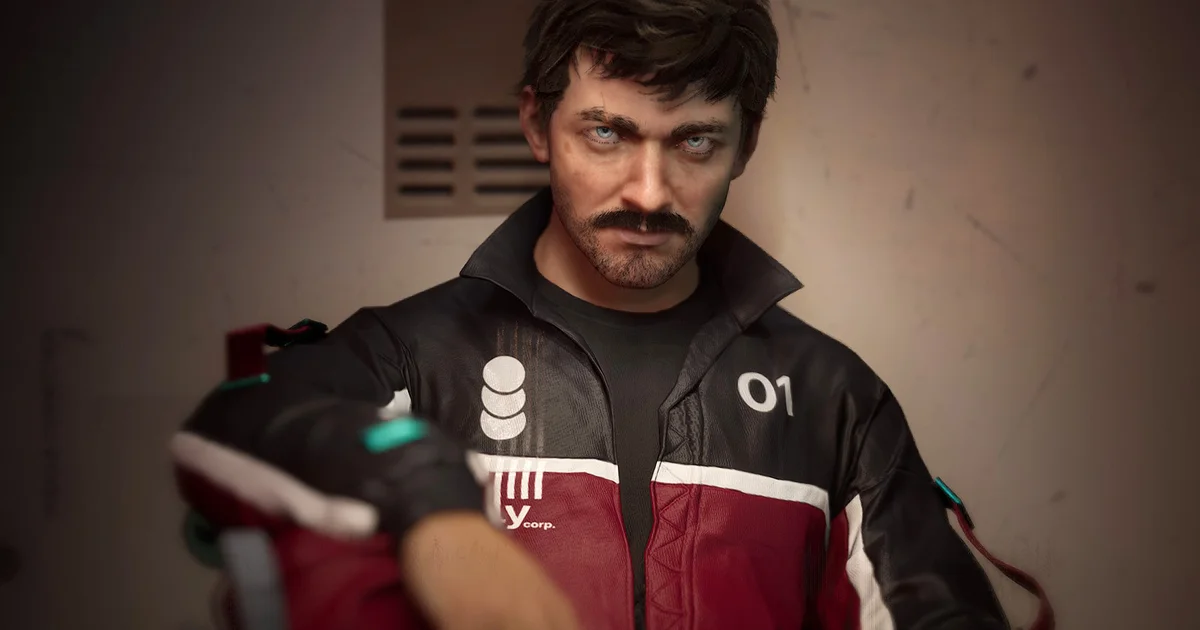
The Alters pulls off something exciting and fresh, mixing strategy-driven base management with third-person exploration, all wrapped in a sci-fi story about making copies of yourself. Still, the proceedings can feel repetitive, and the more complex chores can dilute the experience.
I’m facing a tough situation: I crash-landed on a strange alien world, and I’m the only one left from my crew. I’ve found the massive, tyre-shaped base I was hunting for—and when I say massive, I mean it’s enormous, the size of a tower. To get it working again, and I mean get it moving by actually rolling it, I’ll need help. I’m short on hands. I need people to back me up with collecting resources, cooking meals, and keeping the base safe from radiation—because if I don’t get it rolling, the incoming sun will burn me to a crisp. Honestly, I don’t have a choice. I have to clone myself.
That’s the setup for The Alters, the newest game from Polish studio 11 bit Studios, a team recognized for pairing base-building strategy with tough moral questions and bleak storytelling. In This War of Mine, you guided a group of civilians during wartime; in Frostpunk, the focus was on building the final settlement on a frozen planet. With The Alters, you’re creating clones to make your way back home—and once again, the real question returns: what lengths are you willing to go to stay alive?
At the center of The Alters is the cloning mechanic. Inside your futuristic tyre-shaped base sits a Quantum Computer, which can probe the memories of a person’s life and pinpoint moments on a timeline where things might have turned out differently. In this case, the life belongs to Jan Dolksi, a fairly ordinary individual who signed up for an experimental space mission in a last-ditch bid for recognition. You’re essentially using his timeline as the starting point to generate alternate versions of him.
To begin with, the game’s decision-making feels guided, but you’ll later gain more control over which Jan you choose to produce. At first, you’re directed to a key point in Jan’s life: at 19, he decided to leave home to get away from a violent father, abandoning his mother and leaving her to cope alone—an outcome that burdens him with heavy guilt. You’re then allowed to explore what might have happened if he never left. From there, you can try to uncover that possibility by creating the clone who took that same route: Technician Jan—every new version of Jan ties to a particular technical talent, and this one is the ability to repair things quickly. There’s also Doctor Jan, Scientist Jan, Botanist Jan, along with several other variants, each bringing their own temperament and experiences, shaped by the choices that formed their lives. It’s particularly impressive that actor Alex Jordan delivers multiple distinct takes on the same character throughout the game. If you pick Technician Jan, the next step is heading to the Womb module in the base to wait for his accelerated growth.
This sci-fi premise is a bit of a head-turner, and the game commits to it wholeheartedly. It manages to keep the situation from becoming overly stiff, finding room for humor without ever making fun of itself—something that takes real care. Even if the clones occasionally hover near familiar territory—hyper-nerdy researchers or hardened, broad-shouldered technicians, often with stories that center on alcoholic fathers and work taking precedence over relationships—they still end up feeling more layered than you’d expect. With time, they reveal surprising details of their own. They also function as the game’s way of testing your ethics, repeatedly pressing on what you believe through conversations that affect their wellbeing. Alters are at the heart of the experience, which is exactly where the title comes from, and they’re much more than the gimmick I initially expected or just another mechanical feature to take advantage of—though whether you agree or disagree with that idea keeps resurfacing during the playthrough.

After that, the game ramps up the pressure in a way that 11 bit Studios has clearly nailed, and you can feel the lessons learned from Frostpunk and This War of Mine coming through at every turn. Like Frostpunk, there’s an escalating, world-ending threat closing in as each day passes. This time, it’s the sun rising—and if you end up exposed to it, even while you’re inside the base, it will incinerate you the way a vampire would burn at dawn. You have to shift your base location and stay tucked away in the dark. That objective is echoed across the three acts, though each one reshapes it in its own distinct ways. Of course, you can’t do it instantly—you’ll have to get past a few obstacles first. One example: a bridge made of lava. You’ll need to uncover and develop the technology required to cross it.
As you work toward these goals, you’ll also manage daily survival. That means producing food, maintaining the base, shielding everyone from radiation, and keeping the alters both physically and mentally stable by building a range of spaces—gyms, social hubs, and even simulated parks complete with benches. On top of that, these areas are a real visual treat, shown from the side like a futuristic dollhouse packed with fine details. Everywhere you turn, there are devices, posters, and a lived-in atmosphere. It helps make the alters feel like more than stats as they work out, or put on music and unwind. Even the developer adds genuine video content—short sketches from comedy duo Chris & Jack—so you can watch it together with your alters, plus there’s a beer pong mini-game. It’s genuinely satisfying to explore every new room for the first time.
The mounting strain doesn’t stop. You’ll start dealing with another group of people back on Earth, connected to the corporation that employs you, and every individual you talk to brings their own requirements, along with secondary missions you can take on. On top of that, Alters will issue their own secondary tasks, and they often clash with what someone else is asking for. There’s no clean path to keeping everyone satisfied—tension is built into the experience (though I did feel there’s a slight nudge toward certain outcomes that left me wanting more control, even if it did end up leading to something genuinely interesting).
The base’s modular interior spaces are crammed with detail and interactivity. They provide