I’ve been playing Pokémon Pokopia for under three days, yet I already clocked almost 20 hours. Support. As anyone with internet access knows, the game is turning heads around the world—whether it’s the creative ways players are bending its systems to build ridiculous super-structures, or the fascinating (and slightly eerie) post-apocalyptic mood that fills its universe. Game Freak and Omega Force have pulled off something special here. It blends the best parts of Animal Crossing, Viva Piñata, and Stardew Valley, and it may be the Switch 2’s first true system seller. Huge credit to everyone involved.
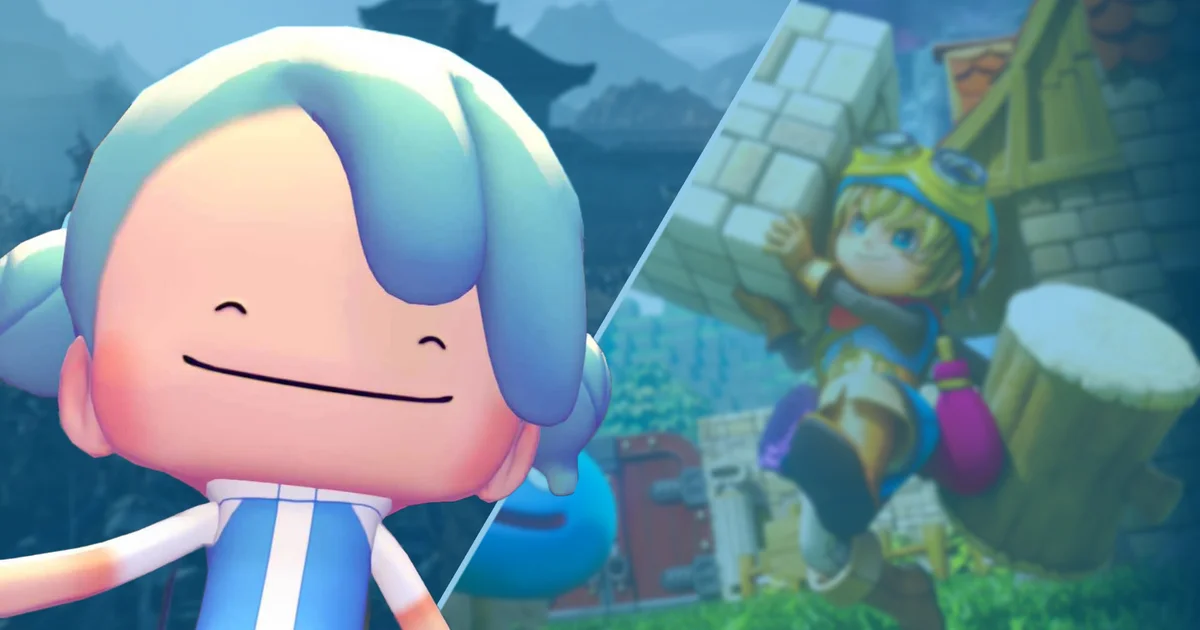
That said, I’m not surprised by the buzz. I’ve long been one of Koei Tecmo’s biggest supporters. If you haven’t heard of it, Pokopia comes from the studio behind one of my all-time favorite games: Dragon Quest Builders 2. Just compare the overviews and it becomes obvious; both take place in a completely wrecked world that you’re expected to rebuild, both ask you to bring together different communities, and both extend the narratives of (very) older entries in their respective series. Pokémon Pokopia explores a “what if” angle set in post-disaster Kanto, while Dragon Quest Builders 2 revisits the ending of the second main-series game and reflects on one of the possible outcomes. Think: “are we the villains?”—and you’ll get the rough shape of how it all plays out.

In how it’s put together, Dragon Quest Builders 2 also works as an unofficial prologue to Pokopia: as you repair different regions, the path to success starts to feel increasingly unclear, tangled, and sometimes contradictory. Pokémon leans hard into the routines of daily life, nudging you toward questions you’d never expect—like “how can I upgrade this toilet for a Mr. Mime?”—while DQB2 plays more like the indie hit Moonlighter. So what do heroes and fantasy creatures really need to thrive? (Spoiler: it’s usually taverns, armories, and… public toilets?)
Still, I don’t see this as a problem. Honestly, I think this Minecraft-style RPG structure is excellent, and adding a dash of Pokémon flavor is a reliable way to hook players with its simple yet strangely compelling quirks. Omega Force handled all of it superbly as well. There’s so much care in the way systems and lore are treated that—even as someone who’s followed Dragon Quest for a lifetime—I didn’t have the same kind of gut reaction to the studio’s earlier work. Why does it make me laugh that Minccino and Cinccino (dressed up, naturally, as stylish chinchillas) only show up in your game when you select a “Changing area” or “Private makeup station”? Why is it so funny that Drifblim gets annoyed when there aren’t children around for it to “carry away,” like it stepped out of The Wasp Factory? I’m guessing the game has something similarly grim tucked inside, involving Spiritomb and the equivalent of 108 items’ worth of… something. If you know, you know.
Someone on the council behind the Pokémon IP—made up of Game Freak, Nintendo, and Creatures, Inc.—made an unusually smart call by handing Koei Tecmo the keys to the proverbial city. To me, this ranks among the most exciting and thoughtfully crafted Pokémon projects in years. I’m convinced it’ll bring back older fans like me, almost like we’ve been activated sleeper agents, and it should also draw in plenty of new supporters. I also think this will stand out as a major moment in Pokémon’s ongoing dominance in pop culture for years to come. If I had to guess, it’ll be remembered as one of the best games on the Switch 2.
And it’s all happened because The Pokémon Company let another developer work directly with its respected brand. Obviously, this isn’t the first time that’s happened, but earlier efforts haven’t always gone well. The most recent example that comes to mind is Pokémon Brilliant Diamond and Shining Pearl, made by ILCA. The studio got involved after working on Pokémon Home, and the remakes… didn’t land well with many players. Our own Chris summed it up in his 2021 review when he said, “you’re better off with the originals.” Since HeartGold and SoulSilver—Gen 2 remakes—might be my favorite games in the franchise, seeing an outside studio struggle this much with a core part of the series’ identity was genuinely disappointing.
Game Freak, meanwhile, has also been dealing with public issues around the mainline series. While Legends Z:A was a step in the right direction, the “main” entries have been finding it harder to keep pace with modern tech for generations now, becoming less attractive visually and generally performing worse with each release. Of course, the Switch 2 versions of Scarlet and Violet did fix some problems, but… I’m still having trouble getting excited about Wind and Waves, especially when you consider the circumstances surrounding Sword/Shield and Scarlet/Violet at launch.
So Pokopia isn’t the first time other studios have stepped in to support the franchise. The excellent Mystery Dungeon series was developed by Chunsoft or Spike Chunsoft, depending on which point in the timeline you mean. The lesser-known but oddly brilliant Pokémon Conquest (a puzzling crossover between Pokémon and the Nobunaga’s Ambition strategy series) was also created by Koei Tecmo. Pokémon TCG Pocket—arguably the biggest commercial win for the franchise in years—is handled mainly by DeNA. Pokémon Go, famously, was Niantic’s idea. There’s also a Pokémon Tekken game. And it was fine.
I genuinely hope the level of quality control Koei Tecmo and Omega Force showed here encourages Nintendo, Game Freak, and Creatures, Inc. to take more chances like this going forward. We’ve already seen several Zelda Warriors titles—so will Nintendo give Omega Force a shot at a Pokémon game built around large-scale battles next? Or maybe we’ll see something along the lines of a Pokémon MMO, potentially led by the team at PocketPair (not especially likely). Personally, the top spot on my wish list is Pokémon Theatrhythm: a game inspired by the impressive rhythm-battler RPG mashup from Theatrhythm: Final Fantasy, finally giving us a place to enjoy all the Pokémon music while diving into lively, dynamic rhythm gameplay. A Pokéfan can hope. A Pokéfan can hope.
To me, Pokopia feels like it represents something bigger than the smaller games I mentioned earlier. It’s the first Pokémon title I’d call a true “major release” from a third-party developer in years. And it’s become so wildly popular that Amazon is raising prices. Physical copies are tough to spot on store shelves. Right now, many Eurogamer staff members are running on fumes because it’s simply, truly excellent. I haven’t felt this way about a Pokémon game since my 20s, I’d wager. That’s how strong it is.