Call of Duty: Modern Warfare 4 is set to introduce the series to South Korea. The narrative kicks off when North Korean missiles slam into a crowded urban area, putting you alongside soldiers caught in the chaos.
As usual, Call of Duty doesn’t shy away from drawing connections to real-world global tensions. The possibility of attacks feels especially close to home for South Korean residents — particularly now, as the US weighs moving some of its anti-missile capabilities out of the country and into the Middle East.
At a pre-reveal press briefing held at Infinity Ward’s offices in California, the developers were keen to explain why South Korea was chosen as the setting for the next entry in Call of Duty. Studio head Jack O’Hara said he was thrilled to spotlight a part of the world that hasn’t previously been featured in the franchise, while also leaning into the third Hallyu wave — the ongoing worldwide fascination with South Korean culture.
O’Hara also highlighted how near Seoul, South Korea’s capital, is to the North Korean border, pointing to a map marked with black dots that represent North Korean artillery sites. While he said the studio has spoken with South Koreans about the premise and that it didn’t appear to unsettle them, the comment still gave Infinity Ward permission to “rip from the headlines.” That idea has become a core guideline for this Modern Warfare chapter—aiming for a story that could be rooted in what’s happening right now, even if it isn’t directly lifted from specific news coverage.
So, what does it actually mean to pull a narrative from current headlines? And how do you do that without turning authentic fears into something trivial? I spoke briefly with narrative director Jeff Negus and associate design director Alex Norris to get their perspective.
To begin with, how do you strike a balance between telling something that feels plausible and still keeping it fictional? What do those words really mean? Negus responded:
“We treat this as central to what Modern Warfare stands for—especially in reworking a few of the more recent installments we’ve developed. We build scenarios that feel believable, like they could occur in the real world. They’re grounded, gritty, and presented through the lens of characters who are realistically flawed. Each person has their own aims and reasons.
“Another aspect we explore is that war isn’t simply black and white—it’s far more layered than that. So, we’re drawing from the headlines and shaping a story that’s as current as we can make it. That’s where we put the ‘Modern’ in Modern Warfare.”
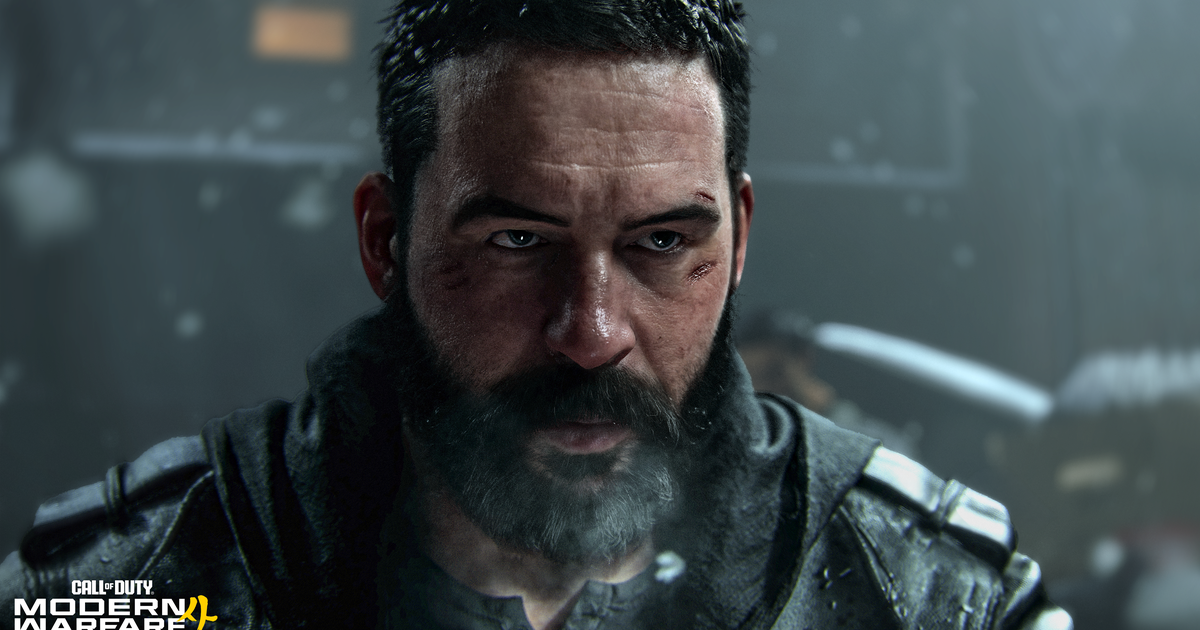
Of course, keeping things nuanced—”war isn’t black and white”—isn’t easy to sustain in a plot that involves North Korean missile attacks into Seoul, South Korea. It’s also worth noting that Modern Warfare 4’s storyline includes more than that opening shock. Captain Price sets out on a separate dangerous path, marked by a longer, untamed beard that hints at a more defiant storyline. Beyond that, you’ll take part in missions from the viewpoint of a North Korean character tied to the dictatorship, who starts the game by relentlessly hunting a defector in a village.
All of this leads to a key question: how do you present the story in a way that stays true to the message that ‘war isn’t black or white’?

“We put a lot of work into making sure our research is thorough and that we’re collaborating with the right people. We use dialect specialists, consultants, and casting professionals who understand the cultural background of the characters they’re portraying,” Negus said. “In recent games, we’ve portrayed different kinds of characters: from Mexico to the Middle East to Russia—representing a broad set of communities.
“We work to show how people would realistically react when faced with difficult circumstances.
“In the end, we want to keep things human as much as possible, and be considerate about what someone in that situation would actually go through,” Negus added. “I think this game is especially compelling because it gives us a distinctive chance to show things through the eyes of a marine recruit—so Americans and South Koreans can end up sharing experiences. That sets up an interesting cultural collision, helping bring out the individuals behind the roles they play in the story.”
This squad-based approach also creates room for more realistic, grounded gameplay—something Call of Duty hasn’t focused on in quite a while. While Price still represents the “tier one” military style longtime fans expect, adding South Korean representation gives the action a more classic military texture.
“We’re putting together an experience that hasn’t been part of our earlier Modern Warfare titles,” Norris explained. “Earlier Modern Warfares have mostly revolved around Task Force 141, special operators, and smaller-scale raids. We also have the largest U.S. overseas military base in South Korea.
“So we’re drawing from infantry, armor, and air support—all these pieces working in tandem to take back a city. In terms of gameplay, it’s something we haven’t had the chance to do before. Expect beach landings with a D-Day feel, trench-style fighting, and the command of tanks during large-scale clashes.”
Over time, the Call of Duty series has developed a reputation with critics for leaning a bit toward jingoism. It’s frequently seen as celebrating military conflict and putting weapons front and center. In the past, Activision has worked alongside arms manufacturers.
The game’s plot, which puts the South Korean and American armed forces side by side while they confront an opponent, arrives during a period when relations between the USA and its allies are under strain. One could argue that it offers a brighter take on American influence than what’s truly playing out.
So how do Negus and Norris view these criticisms, and what do they plan to do about them?
“We make an entertainment product,” Negus said. “We’re storytellers. In a war-centered narrative, the stakes can’t get much higher—it’s a matter of life and death. It’s about dealing with different situations and fighting for something bigger.
“I think these narrative stakes are crucial for effective storytelling. They’re extremely high, and that brings added complexity when you’re trying to immerse someone in a character’s experience. Our method is grounded in storytelling.”
“We also genuinely focus on authenticity here,” Norris added. “When we talk about these young soldiers, these conscripts, we’re portraying the truth of what they have to live with. Many of our Korean colleagues have gone through conscription themselves.
“We keep a Slack channel devoted to cultural topics. It’s our Korean culture channel! We regularly ask whether our depiction feels accurate and authentic. Would someone recognize it as something you’d see in everyday life? That’s what we aim for—we want to be as real as possible.”
Modern Warfare 4’s campaign is only one part of the broader experience. There’s also the multiplayer mode, which left a strong first impression during my hands-on time. Announced officially today, the game is scheduled to release on October 23rd, 2026, for PC, Xbox Series X/S, PS5, and Nintendo Switch 2.
This interview is based on a visit to Infinity Ward in California. Activision provided travel and accommodations.