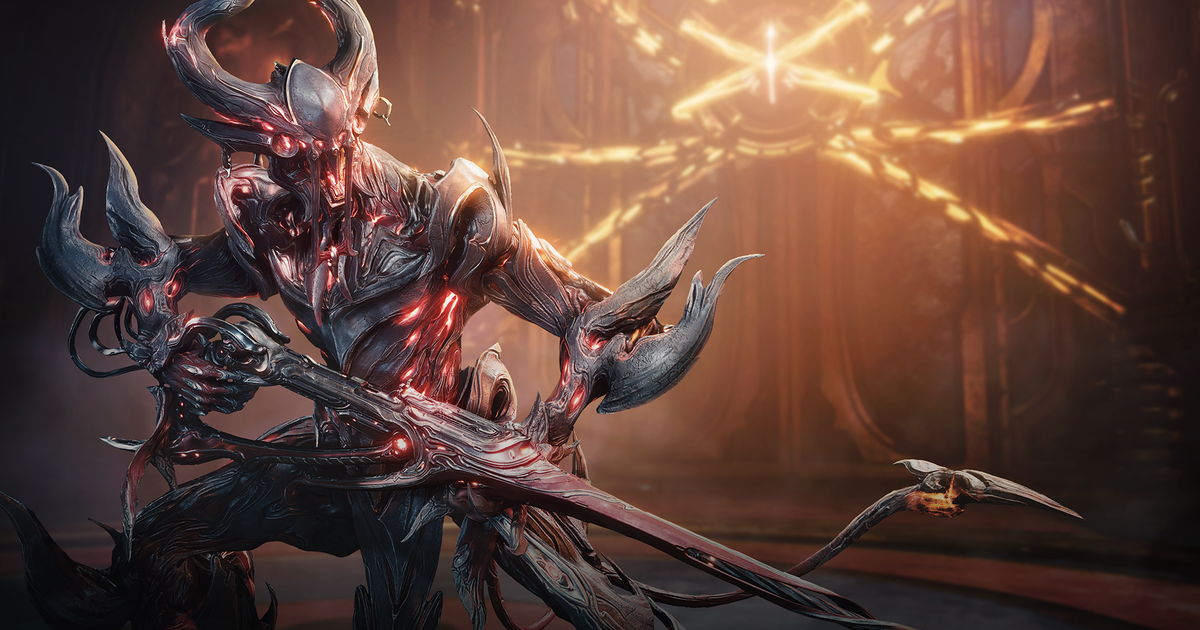
If you’ve spent time with any long-running live service title, you’ve likely felt the frustration that comes with “sunsetting”—the moment older modes, zones, and unlocks slowly lose their relevance. Warframe has earned a solid reputation for keeping many of its systems useful as the years go by, and its upcoming update, The Old Peace, takes that idea even further. Alongside a fresh set of new missions, it also breathes life into older content that had been starting to feel worn out for quite a while.
At the core of the update are two new game modes. The first is Perita Rebellion. This timed event challenges players with only 12 minutes to push through a shifting warzone, battling a brand-new faction while completing a sequence of objectives—each one a twist on familiar Warframe mission structures. For example, you might be tasked with taking out an enemy vehicle or working through a typical extermination objective.
What really stands out is how you move between objectives. Perita Rebellion takes place on the wrecked battlefields of Tau, with wide areas connected by a sprawling network of caves. With just 12 minutes to work with, getting from point to point isn’t easy—so the update introduces a new grapple system. It lets you sling yourself across the map, and even power through enemy drop ships, at blistering speeds, which creates a nonstop, high-stress feel in Perita Rebellion that I don’t think the rest of the game matches.
If Perita Rebellion captures the high-velocity side of The Old Peace, then Descendia plays that role’s more grounded counterpart. It’s a combat gauntlet built to keep things sharp and urgent, but because it runs as a weekly activity split into three sections, you can approach it at a calmer pace.
The structure is simple. You begin on the first floor and descend from there, with every level presenting a random combat task you have to finish within a set time. The challenges can draw from the well-known menu of mission types, while also delving into some of Warframe’s underused modes—at least, it felt to me like a quick walk back through the game’s past. The salvage mission format from the original Nidus farm returns, as do rocket launchers from Warframe 1999, along with Narmer Deacons introduced in The New War. It’s a thoughtful remix of older material, and I found it much more exciting to tackle than a riff on something like Defense or Capture. And throughout it all, powerful metal guitar riffs keep rolling in the background—I love it.

These two modes are supported by worthwhile objectives that should keep players busy for a long stretch—and could also help reintroduce older pieces of the game. The first set of rewards is artifact weapons: a bold new weapon class with its own dedicated upgrade path. They can deliver powerful Tauron Strikes, which function essentially as ultimate attacks.
Another perk for Warframe players is how much I genuinely enjoy having an occasional screen-clearing move ready to use. It gives your equipped Warframe a stronger sense of dominance—something I feel has slipped over time, not because of any issue with the game itself. After a while, you can only rely on the same destructive abilities so many times before their impact starts to fade. With a more cinematic presentation, Tauron Strikes bring the Warframe fantasy back in a way that hits for me.
One standout surprise comes from a new feature I suspect could become a sleeper highlight of The Old Peace: Honoria titles. These are basically account decorations that you can obtain from a specific NPC in The Old Peace by trading various resources pulled from the game’s long history of past updates. Some trades are straightforward—pay one million credits for a title. Others made me smile: swap 250 Harrow chassis for an elegant Honoria. This “junk” item—something that has been dropped relentlessly across countless missions for years—either gets stored away or gets tossed without much consideration. Seeing it finally gain a purpose is a really satisfying addition.
Still, Digital Extremes has handled this thoughtfully. They’ve included titles from older updates that may not draw as much attention today. For example, Lua Conjunction Survival missions reward a particular resource used for the Voruna Warframe and its weaponry. Once you’ve collected that resource, you’ve basically finished that portion of the game and often don’t need to return. With Honoria, though, more competitive players are likely to revisit Lua—giving people who haven’t picked up Voruna yet a strong chance to do it alongside others.
These are only a few examples, but they show that The Old Peace doesn’t just deliver a wide range of brand-new experiences to try for the first time—it also gives a compelling reason to come back to older content. While you’re there, you’ll be able to see how the new Tauron Strikes interact with different encounters, ultimately making the whole game feel more robust, more exciting, and more rewarding in a way you can actually feel.
For me, The Old Peace has managed to pull off something truly special. In many other games, it’s taken for granted that you’ll gradually leave earlier areas behind—you tick off checklists, wrap up a quest, claim an important reward, and move on without looking back. But with The Old Peace, the entire world of Warframe feels newly valuable again. I’ll finish the new quest, no question. I’ll farm every new weapon too. Yet instead of shutting the game off right after, I’m planning a road trip through the past—stronger than ever. It’s an impressive result, and one that other long-term live service games would do well to learn from.