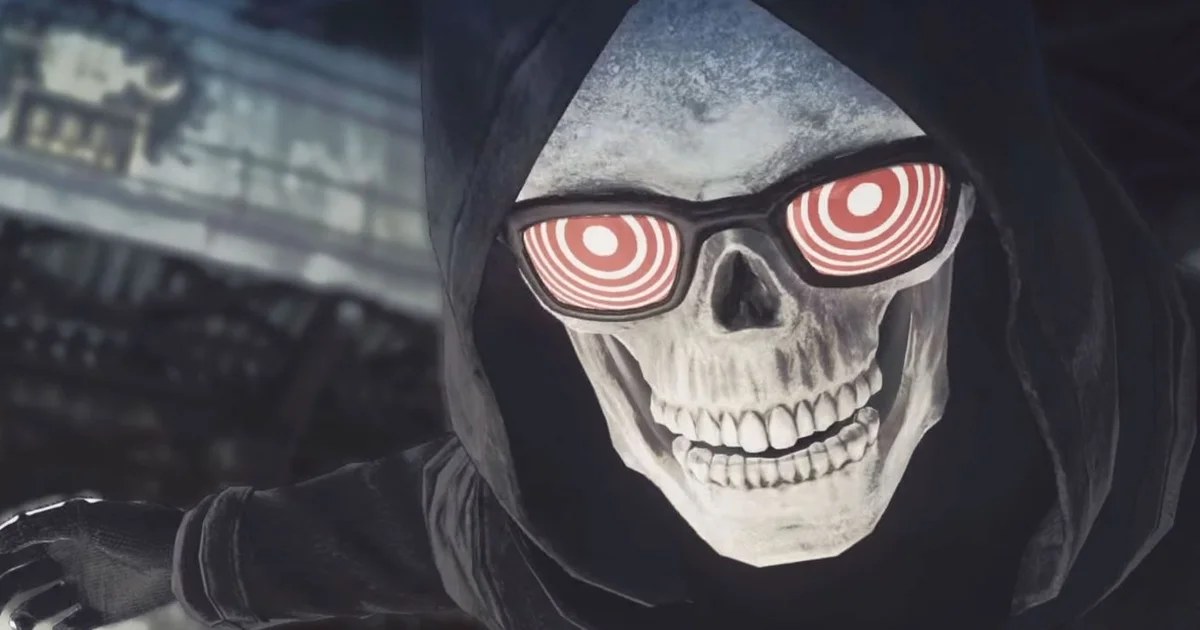
Let it Die, the offbeat third-person action game from Suda 51’s Grasshopper Manufacture (later rebranded as Supertrick Games) and published by GungHo, is preparing to shut down its servers. After almost seven years on the gaming scene, players who’ve relished raiding each other’s bases will soon lose the ability to bring loot back. Still, this doesn’t spell the end for the title. With an offline version on the way, it may even mark a fresh start for a genuine underdog.
If you haven’t played it, it’s worth noting that Let it Die isn’t exactly a flawless experience. It’s safe to say the game leans heavily on microtransactions. At times, the controls can feel a little stiff, too. On top of that, its brand of humor tends to land only if you’re already into its style, which may have pushed some people away over the years. Yet the reason it kept a loyal following for so long is the real sincerity at its core. Built as a stylistic blend of Grasshopper and GungHo, it delivers an absurdist roguelite that embraces its own violent pleasures.
Let it Die uses a familiar progression: you work your way through multiple stages, then tackle a major boss, gather loot, complete quests, and find extravagant blueprints along the way. The twist is how that journey is framed. You collect a range of bodies—yes, actual bodies—and push upward through the hostile Tower of Barbs. The basic structure remains the same time-draining adventure it was years ago, but the online features added a fresh angle. When you fall in the tower, the body you were using (including all its traits and skills) gets uploaded, where it could show up as a Hater and make your climb more complicated. That small tweak turned every ascent into something more absorbing, with each new turn concealing fresh obstacles that forced you to adjust.
For me, the standout part of the online offering was the base invasions. Right from the start, you’re placed in a hub featuring shop NPCs, plus a stash area for your in-game resources: Coins and blue metal. Earning those items as you progress up the tower is expected, but you can also take a train to raid other players’ bases to steal their resources. You’d have to defeat the bodies they store there—each brought with the weapons and armor they have available. If you pull it off, the rewards can be substantial.

This side of the game was genuinely excellent. It encouraged real interaction between players, even though you never actually meet face-to-face. Menacing, mysterious figures were always showing up—both in your home and out in the world. Strengthening your defenses, and also improving your selected body for the climb up the Tower, worked like the two halves of Let it Die’s appeal. That dreaded feeling of returning to a base that’s been stripped felt like a powerful push, motivating you to upgrade all your bodies—not just the one you favored most.
Now that the servers are being switched off, losing these elements is disappointing. Even so, as we say goodbye to those features, there’s something to look forward to. In the official blog post announcing the offline edition, all Deathmetal (the premium currency) purchases will be removed. Whatever usefulness it previously offered will either be made available through in-game currency earned from playing, or removed entirely.
That change removes one of the biggest worries surrounding Let it Die. Want to raise the number of bodies you can keep? You won’t have to buy your way there—you can earn it by playing. Daily and weekly items that used to slow down steady progress? Gone. The chance to keep going after dying, instead of restarting at the very beginning? That always felt especially brutal, but now you can obtain that option using coins.
Because of that, Let it Die could become an even more appealing experience in offline mode—particularly for players who were intrigued by its weirdness but turned off by microtransactions. While base invasions will be swapped out for CPU-controlled opponents, so it won’t be exactly the same, the trade-off for this next chapter might end up being well worth it.
So if you haven’t had the chance to try Let it Die, and the news of its server shutdown sounded like a bad sign—yes, it’s understandably disappointing. But it also opens the door to enjoying a genuinely fun action game without the baggage. You might find that as one door closes for Let it Die, another one soon swings open—one that could keep it going for quite a while.