In an earlier chapter of my work, I wrote at length about Tunic on our sister site, VG247. It earned my pick as the best game of 2022, and I was genuinely hooked. Alongside deep dives into the intricate (and often musical) puzzle design, the hidden messages players only uncovered after years of effort, and how the soundtrack elevates the game from impressive to unforgettable, I also contributed a handful of pieces each time it arrived on a new platform. My only purpose was to encourage others to try it for themselves. If just one more person picked up the game and felt that same wide-eyed feeling of wonder and possibility I experienced during my first run, I’d consider it a win. That’s how strongly I feel about Tunic—I truly think it repaired something youthful and necessary in me.
At its core, Tunic follows a small fox setting out on an enormous quest. It takes plenty of cues from Zelda, particularly the first three games in Link’s story, and uses its striking isometric, tilt-shift presentation to build a world packed with dangers and collectibles you’ll need to uncover to piece together the larger narrative. Still, beyond that, the guidance is minimal. Even the signposts aren’t readable—developer Andrew Shouldice actually crafted an entirely new language for Tunic, and the in-game instruction manual also displays this mysterious script.

To understand what’s happening in the game, you have to track down torn sections of the manual hidden across the world. Once you start putting those fragments together, you gradually pick up the thread of the bigger story—what you’re meant to do, where you should head, and how to get there. Many of the game’s features are available right from the start; you just don’t know what they are, or how to make use of them, until the guide nudges you the right way. It’s a straightforward example of “show, don’t tell.”
This, I think, is where Tunic really shines. Yes, there’s (fairly) tough combat, yes, there’s a Soulslike bonfire system, and yes, there are intimidating bosses. But the real creativity and depth aren’t rooted in fighting—they’re in the quiet sophistication of the experience, in the moments where your little fox is simply trying to figure out what to do next. That means decoding the monoliths dotted around the land or working through meta-puzzles teased by scraps of paper you uncover as you explore.
Even the isometric camera is put to excellent use. The exact viewpoint helps the developers hide routes and secrets in plain sight. Anything that sticks out, overlaps, or suggests there might be a secret tucked into the gap between what you can see and what actually exists is worth investigating. Some paths end in dead turns, others give you disappointing “half-surprises,” and some reveal fresh threads that fold into one bigger, coordinated plot. It’s completely absorbing.
Tunic is mysterious without being smug. It captures the feel of an old-school Nintendo adventure, encouraging you to roam and investigate. It teases what its systems and mechanics can do, laying everything out so you can engage on your own terms. Unlike many modern games, it doesn’t try to shout at you—it’s trying to draw you in. To explore, to tinker, to experiment. Underneath that calm exterior is real substance: it nods to the adventure games that helped define a genre while also finding new ways to stand on its own. If you’re anything like me, you’ll get lost in the small, thoughtful details—both visual and mechanical—and find yourself weighing up what the game makes possible (and what it refuses to let you do) as you drift off at night.
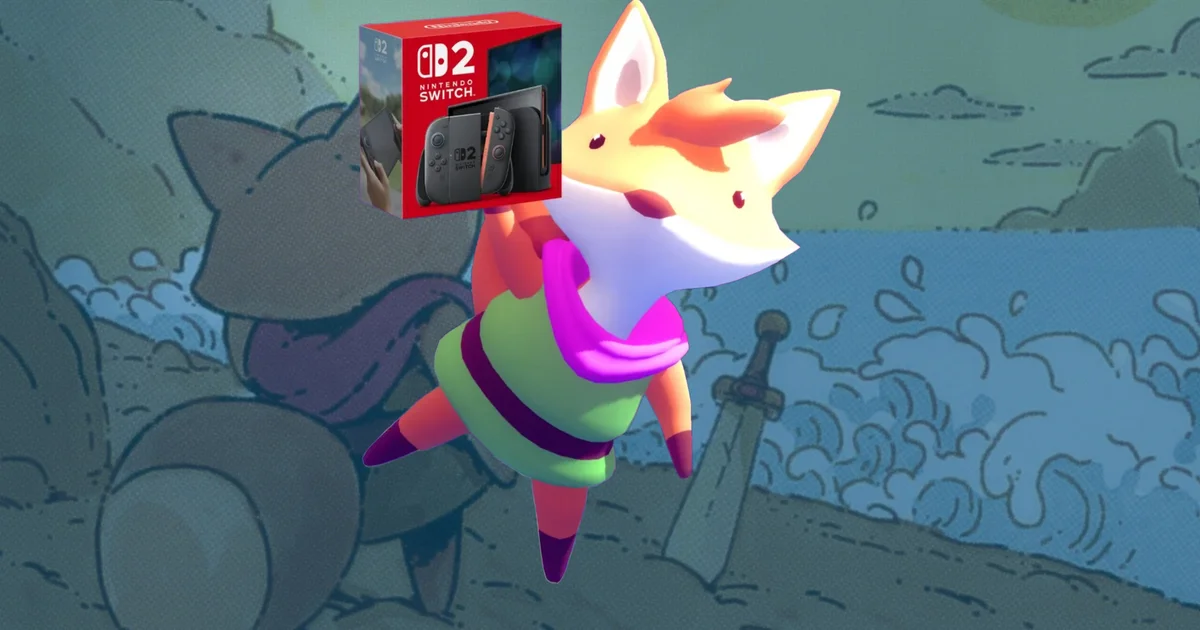
Through a BlueSky post yesterday—marking the game’s fourth anniversary—Finji said that Tunic will be coming to Switch 2 sometime in the future. There’s still no exact date, but the update is “on its way,” it seems. As if I needed another excuse to return to it. I just hope that at least one person reading this will decide to join me on this journey.