Not long ago in 2016, I grabbed the original public alpha for Nioh and jumped straight in. The team behind it—Team Ninja, known for action games like Ninja Gaiden and Dead or Alive—were creating a Souls-inspired experience, and that pitch was hard to ignore. Within about ten minutes of playing that alpha (so brutally difficult that the developers later had to dial it back for the next demo, and then again for the final release), it hit me: I wanted to earn the Platinum trophy for this game.
Fast-forward nine years, and I’m now sitting on a PSN account with two Platinums—one for Nioh and one for Nioh 2 (courtesy of the PS5 releases). Those games really clicked for me. The mythic, fantasy-tinged version of Sengoku-era Japan scratches an itch I didn’t even know I had, while the combat—shaped by fighting-game ideas and built around stances—has grown into something both detailed and mechanically satisfying. In my view, it stands as one of the high-water marks of the action-RPG space, rivaled only by FromSoft.
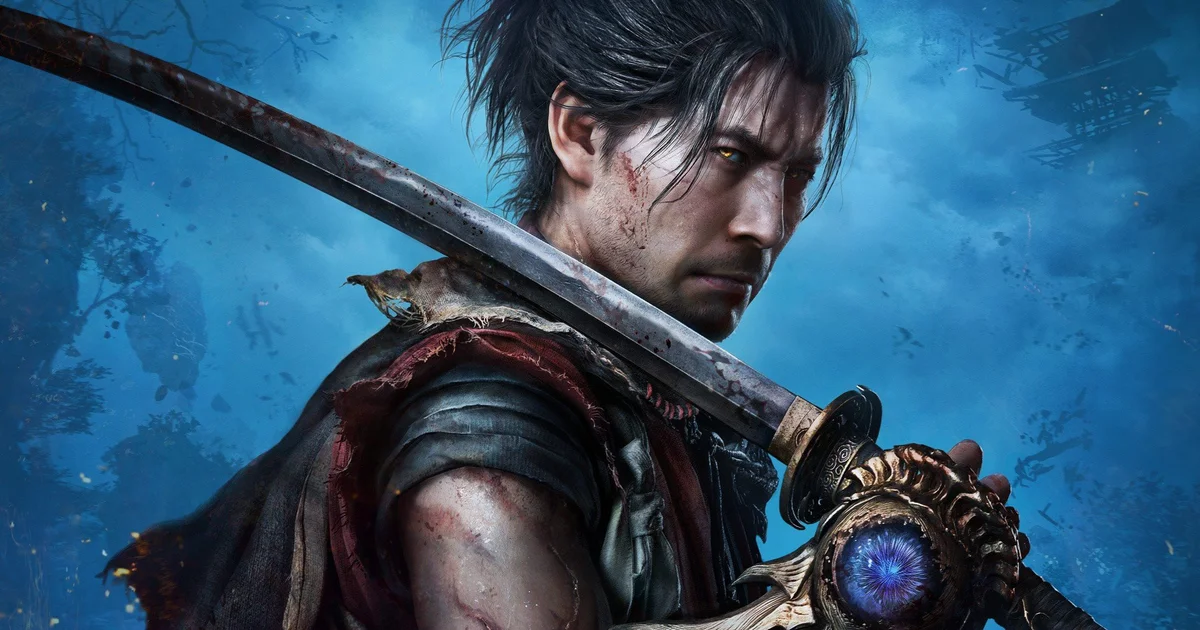
I felt that same quick pull with Onimusha: Way of the Sword. At first glance, the connection between the Nioh series and Capcom’s revival of its 10th best-selling franchise looks straightforward: tough, linear action-RPGs that center on combat, while smartly blending horror touches to heighten the sense of threat in 1500s Japan. Yet Onimusha—full of demons and supernatural elements—lands a bit more grounded than Nioh ever has. When you step into the role of Miyamoto Musashi, a legendary swordsman drawn from historical roots, his movement and responses come across as far more believable than William Adams or Hideyoshi in the Nioh games.
The result is a character that feels nimble, reactive, and precise. At a hands-on session at Capcom’s headquarters before Gamescom, I ran through a 20-minute demo that guided Musashi through a gloomy, foreboding castle commanded by Musashi’s real-world rival, Sasaki Ganryu. The demo wrapped up with a showdown against the famous samurai—and at that point I thought, ‘yep, I’m going to 100 percent this game.’

The fight itself is quick and brutal. In traditional Soulslike fashion, Ganryu has a sizable health bar across the top of the screen, plus—just like Nioh—a stamina meter. The backbone of Onimusha: Way of the Sword is a light/heavy combo system, supported by dodge rolls and parries. I’m the kind of player who seldom relies on the block button in Souls titles (Dex builds for life), so the dodge-and-parry approach in Onimusha felt like coming home. From what I could tell, you’re able to counter every attack from the boss. Still, some moves—like his overhead stomp, which feels reminiscent of something from Tekken—are usually smarter to avoid, since the ‘bullet time’ moment you get after dodging, along with the opening that follows, seems more reliable than the exact timing you’d need for an effective parry.
Other attacks, such as his more straightforward sword cuts, are easier to read and anticipate. When you land a parry, Musashi follows up with a specific animation: you drive in an attack that hits hard, chips away at Ganryu’s poise, and can even set up a satisfying combo. That means you can gamble on stronger moves instead of leaning on the lighter, less impactful flurries you might use during routine exchanges.
Ganryu isn’t careless, though. I’ll need more time to be sure, but it seemed like the samurai could shift based on my attack rhythm—light, light, heavy—that I used to probe his defenses. He responded with blocks and counters in return. That back-and-forth creates a push-pull cadence that, when it flows smoothly, feels like something lifted straight from a mid-career Kurosawa film.
While I’d rather not claim it brings me back to Sekiro (there isn’t quite the same sense of choreographed elegance or overall scale), the rise and fall of these clashes definitely calls up memories of harsher Soulslike battles. Again, I’m thinking of Nioh: the samurai-versus-samurai structure makes the fight feel more even and tense. I’m sure there will be plenty of massive oni to take down as well, but I suspect Onimusha’s real strengths will show up most in these more ‘mirror match’ situations.
Some of the best moments from the encounter—without any particular order—were: landing an early successful parry and then driving in a punishing overhead blow that smashed Ganryu’s jingasa (big hat), which I think left his upper body more vulnerable; breaking his poise and delivering a crushing strike into the demon-infused gauntlet on his wrist using a focused attack in a way that reminded me of Metal Gear Revengence—something I expect could be a major element in boss fights; and finishing the fight by stepping back in a careful circle to bait the overhead kick, then dodging and pulling off one of the most satisfying finishers I managed in the short span of just 20 minutes.
Miyamoto Musashi is a celebrated swordsman and arguably one of the most impactful folk figures in Japanese history. His skill with a blade was unmatched, and his travels have produced a huge amount of lore and legend. Capcom pays tribute to that legacy by giving you the tools to feel powerful, shrewd, and in control of your movements and swordplay. While Nioh won my admiration with its explosive, jackhammer-like style of brutal combat, the precision and craftsmanship in Onimusha’s mechanics have kept me thinking long after the session—still wanting more.
In my opinion, Onimusha: Way of the Sword is set up to be something special. I’m hoping the finished game, including the expected variety of foes and what should be a broader overall scope, can keep that strong momentum going.